

Safe Treats for Dogs with Poultry Allergies: A Guide to Natural Delights

Understanding Poultry Allergies in Dogs
Poultry allergies occur when a dog’s immune system reacts negatively to proteins found in chicken, turkey, or other birds. This allergy is one of the more common food sensitivities in dogs. Symptoms can vary but often include:
Itchy skin or hot spots
Ear infections
Vomiting or diarrhea
Chronic licking or chewing of paws
If you suspect your dog has a poultry allergy, consult your veterinarian for proper diagnosis. They may recommend an elimination diet or allergy testing to confirm the cause.
Why Avoid Poultry in Treats
Many commercial dog treats use poultry as a primary protein source because it is affordable and widely accepted by dogs. However, for dogs with allergies, even small amounts of poultry can cause reactions. Treats labeled as “chicken-flavored” or containing poultry by-products should be avoided.
Reading ingredient labels carefully is crucial. Look for treats that clearly state they are free from chicken, turkey, or other poultry proteins.
Safe Protein Alternatives for Treats
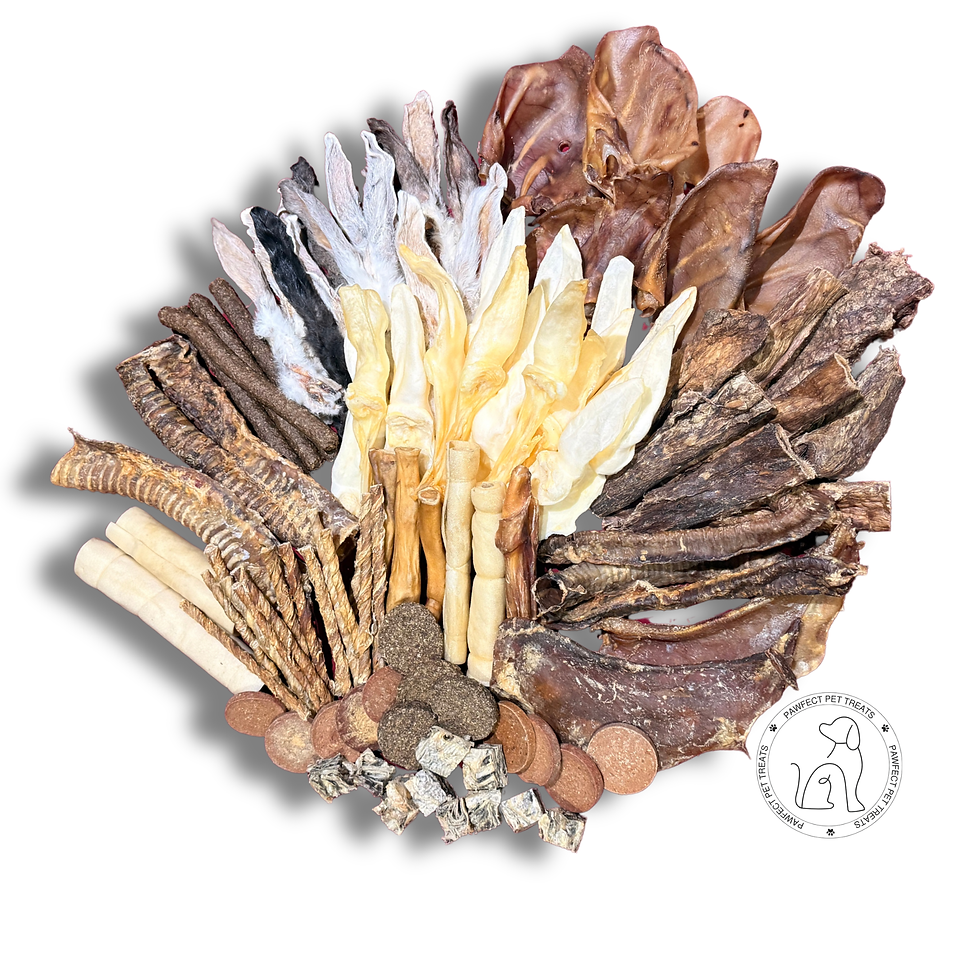
When poultry is off the table, other protein sources can provide tasty and nutritious treats. Here are some safe alternatives:
1. Beef-Based Treats
Beef is a common alternative protein that many dogs tolerate well. Look for treats made with real beef or beef meal without poultry additives.
2. Fish and Seafood Treats
Salmon, whitefish, and other fish-based treats offer omega-3 fatty acids and are often well-tolerated by dogs with poultry allergies.
3. Lamb Treats
Lamb is another protein that can be a good substitute. It is often used in limited ingredient diets for allergic dogs.
4. Venison or Bison Treats
These novel proteins are less common in commercial treats but can be excellent options for dogs with multiple allergies.
5. Plant-Based Treats
Some dogs do well with treats made from sweet potatoes, peas, or other vegetables and grains. These are usually free from animal proteins but check for cross-contamination.
Homemade Treat Ideas for Dogs with Poultry Allergies
Making your own dog treats at home allows you to control every ingredient and avoid poultry completely. Here are some simple recipes:
Sweet Potato Chews
Slice sweet potatoes into thin strips
Bake at a low temperature until chewy
Cool and serve as a natural, poultry-free treat
Beef and Pumpkin Biscuits
Mix ground beef, canned pumpkin, oat flour, and an egg
Roll out dough and cut into shapes
Bake until firm and let cool
Salmon and Potato Bites
Combine cooked salmon, mashed potatoes, and a little parsley
Form into small balls and bake until set
Homemade treats can be stored in the fridge or freezer for freshness.
Tips for Choosing Commercial Treats
If you prefer store-bought treats, keep these tips in mind:
Check the ingredient list carefully. Avoid any mention of chicken, turkey, or poultry by-products.
Look for limited ingredient treats. These often contain fewer proteins and reduce allergy risks.
Choose treats labeled for sensitive dogs or allergies. Some brands specialize in hypoallergenic options.
Consider novel protein treats. Venison, duck (if tolerated), or fish-based treats can be safer choices.
Avoid treats with artificial additives. Preservatives, colours, and flavours can irritate sensitive dogs.
Introducing New Treats Safely
When trying new treats, introduce them gradually to monitor your dog’s reaction:
Start with a small amount.
Watch for any signs of itching, vomiting, or diarrhea over 24-48 hours.
If no reaction occurs, you can slowly increase the amount.
Keep a food diary to track what your dog eats and any symptoms.
If your dog shows any signs of allergy, stop the treat immediately and consult your vet.
Other Considerations for Dogs with Poultry Allergies
Balanced Nutrition
Treats should not replace a balanced diet. Ensure your dog’s main food is free from poultry and meets their nutritional needs.
Avoid Cross-Contamination
Some treats may be processed in facilities that handle poultry. If your dog is highly sensitive, look for products with clear allergen controls.
Consult Your Veterinarian
Always discuss dietary changes with your vet, especially if your dog has multiple allergies or health issues.
Spoiling Your Pup with Natural Treats
Finding safe treats for a dog with poultry allergies requires attention and care, but many delicious options exist. Whether you choose homemade recipes or carefully selected commercial treats, your dog can enjoy snacks without discomfort.
Remember, it's all about keeping our furry friends happy and healthy. So, let's make treat time a special occasion!



Comments